
Roller Blinds vs Honeycomb Blinds: Which Is Better for Canberra Apartments?
Compare roller blinds and honeycomb blinds for Canberra apartments, including privacy, light control, views, installation space, motorisation, maintenance and cost.
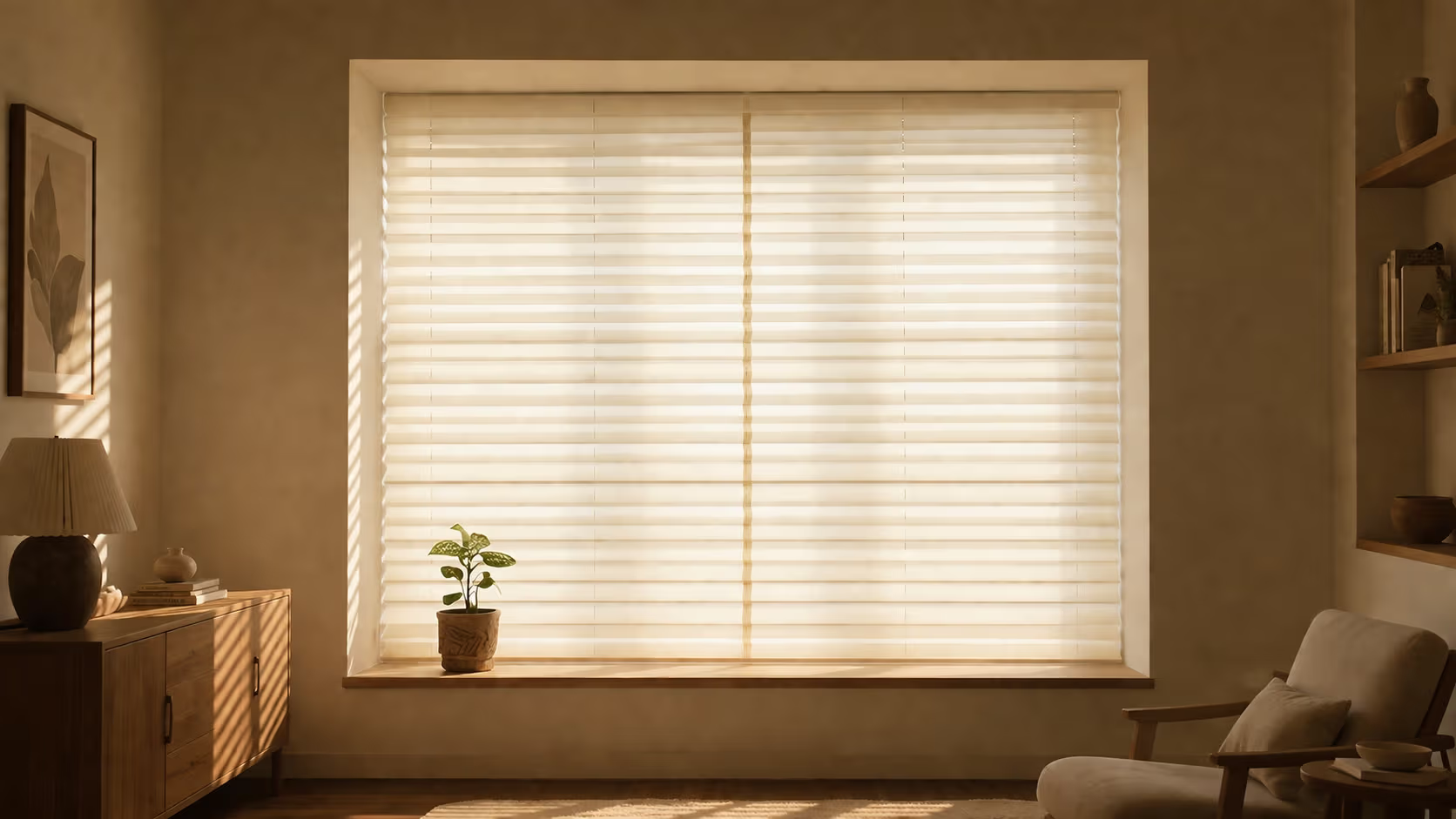
Apartment windows influence much more than the appearance of a room. They determine how much natural light enters, whether nearby buildings can see inside and how easily residents can manage glare throughout the day. The selected window furnishing must also fit around handles, sliding doors, furniture and the limited wall space commonly found in apartments.
Two practical options are roller blinds and honeycomb blinds. Both sit close to the window and create a cleaner finish than full curtains, but they operate differently and produce different results.
Roller blinds use a flat piece of fabric that wraps around a tube above the window. They are simple, familiar and available in light-filtering, sunscreen and blockout fabrics. Honeycomb blinds use pleated fabric formed into internal cells. They fold into a compact stack when raised and create a structured fabric layer when lowered.
Choose roller blinds when straightforward operation, strong blockout options and easy coordination across multiple windows are the main priorities. Choose honeycomb blinds when a compact stack, softer filtered light and an additional cellular layer at the glass are more valuable.
The right choice also depends on the apartment’s orientation, window shape, view and daily routine. In some homes, using different blinds in different rooms will be more effective than selecting one product for every window.
How Do Roller Blinds Work?
A roller blind consists of fabric attached to a tube positioned above the window. As the blind is raised, the fabric wraps around the tube. When lowered, it creates a flat panel across the glass.
The simple construction gives roller blinds a clean appearance that works naturally in contemporary apartments. Because the fabric does not form deep folds, the blind usually occupies relatively little space around the window.
Fabric selection determines much of the finished performance. A sunscreen fabric reduces glare while preserving some outward visibility during suitable daytime conditions. Light-filtering fabric softens natural light but provides more visual coverage. Blockout fabric offers stronger room darkening and privacy when the blind is closed.
Some apartment windows use a double roller blind arrangement. This places two fabrics at the same window, commonly combining a sunscreen or light-filtering layer with a blockout layer. The homeowner can adjust the two blinds according to the time of day, but the additional roller and brackets require more installation depth.
Roller blinds may be operated manually or with a compatible motor. Motorisation can be helpful across wide windows, multiple blinds or openings that are difficult to reach. However, the motor, fabric weight, power source and controls must be selected as one compatible system.
How Do Honeycomb Blinds Work?
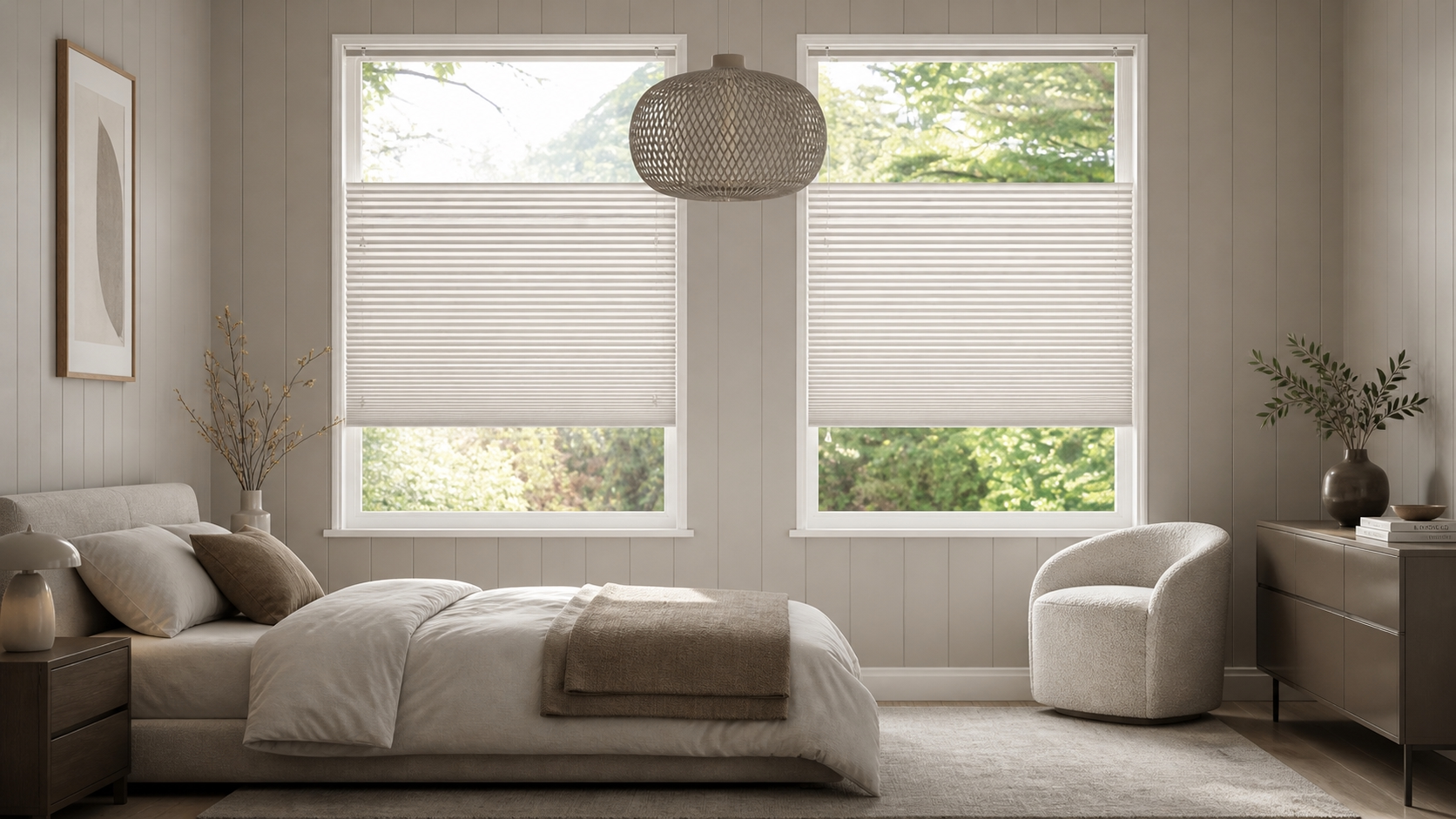
Honeycomb blinds are made from pleated fabric joined to create rows of internal cells. Viewed from the side, the structure resembles a honeycomb. The blind compresses into a neat stack as it is raised and expands across the glass when lowered.
Sweet Home Blinds offers honeycomb blinds for homeowners who want a compact, fabric-based solution. Depending on the selected product, different cell sizes, fabric opacities and operating arrangements may be available.
A light-filtering honeycomb blind diffuses daylight while providing coverage across the window. Blockout versions offer stronger darkness, although small amounts of light may still enter around the sides and operating components.
The cellular construction creates an additional layer between the room and the glass. The Australian Government’s Your Home glazing guide explains that well-fitted internal window furnishings can support the performance of a window system. However, no blind can replace efficient glazing, insulation or the repair of damaged seals.
Honeycomb blinds are especially useful where a homeowner wants the blind to stack compactly above the window. This can help preserve more of the glass and view when the blind is fully raised.
Which Blind Takes Up Less Space?
Both products are compact compared with full-length curtains, but the way they use space is different.
A roller blind stores its fabric around a tube. The complete roll remains visible above the window unless it is concealed by a cassette, pelmet or architectural recess. The diameter of the roll depends on the blind’s height, fabric thickness and selected system.
A honeycomb blind gathers into a folded stack. The stack increases as the window becomes taller, but it can remain relatively compact because the fabric compresses into regular pleats.
The available recess depth matters for both products. A shallow window reveal may not provide enough space for the preferred brackets or for a double roller blind. Handles, winders and sliding-window components can also interfere with the fabric.
Face mounting above or around the opening may solve some clearance problems, but it changes the appearance and the amount of wall space required. It can also affect furniture positioned close to the window.
Apartments often contain several windows with slightly different dimensions. Each opening should be measured individually rather than assuming that every window in the building is identical.
Privacy in Closely Spaced Apartment Buildings
Privacy can be difficult in apartments because windows may face another building, a shared courtyard, a walkway or a neighbouring balcony. The required level of coverage may also change between day and night.
A blockout roller blind provides straightforward privacy when fully lowered. It covers the main glass area with opaque fabric, although narrow gaps may remain around the edges. If the blind is installed inside the recess, these gaps may be more noticeable from certain viewing angles.
A sunscreen roller blind can reduce direct views during the day when the exterior is brighter than the interior. This relationship may reverse after dark. When the apartment lights are on, people outside may see through the open weave more easily. Sunscreen fabric should therefore not be relied upon for dependable night-time privacy.
Light-filtering honeycomb fabric provides a softer form of coverage. It can admit diffused daylight while obscuring a direct view through the window. A blockout honeycomb fabric provides stronger privacy and darkness.
Some honeycomb systems may offer alternative opening configurations, depending on the selected product. These can be useful when residents want coverage across a lower portion of the window while retaining daylight above. Product availability and suitability need to be confirmed during consultation.
The privacy decision should be based on the actual window, not only on a small fabric sample. Floor level, distance from nearby buildings and internal lighting all affect what can be seen from outside.
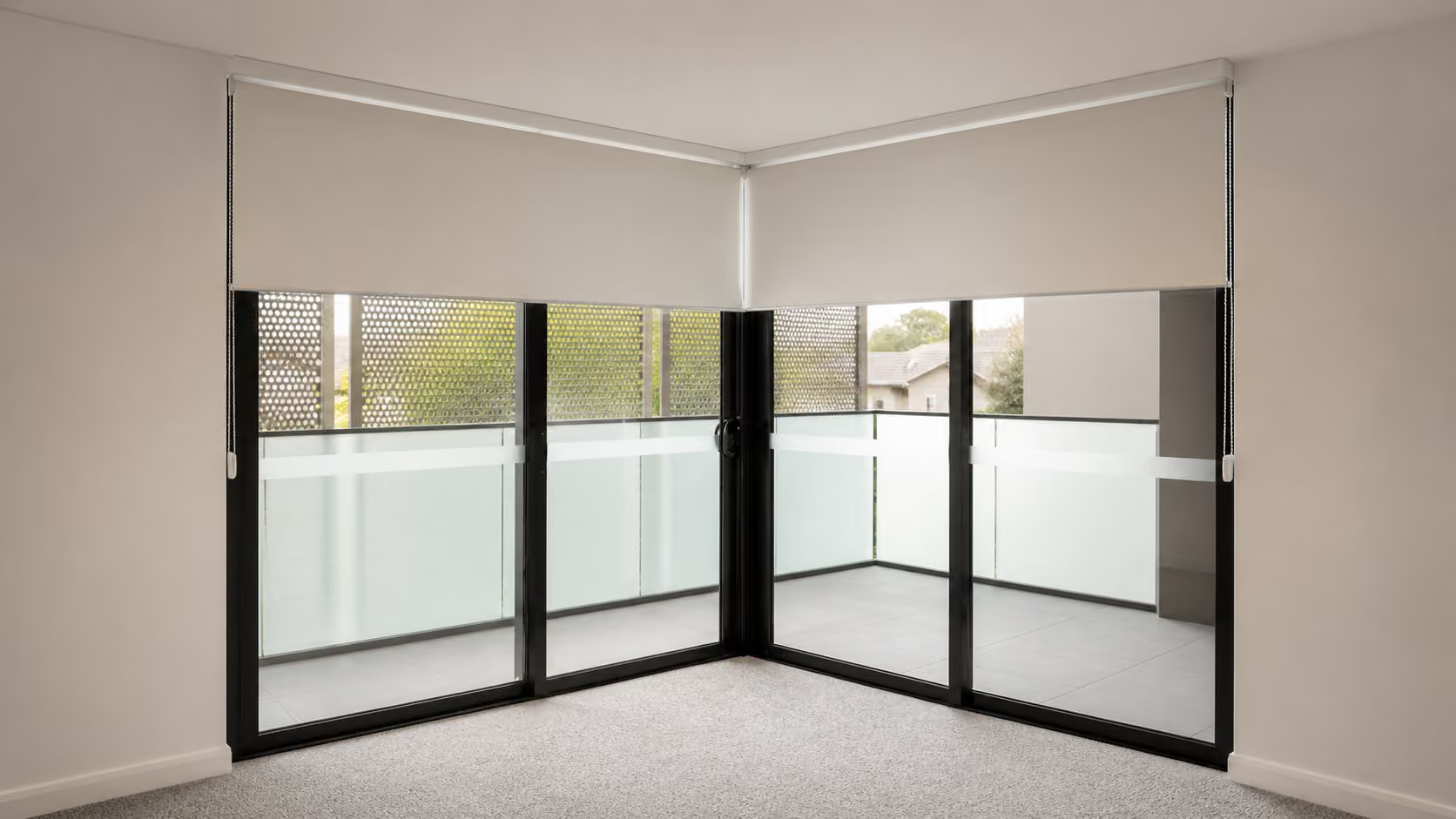
Managing Glare Without Losing the View
Large apartment windows can provide attractive views but may also create strong glare on televisions, computer screens and polished surfaces. This is particularly noticeable in open-plan rooms where the same window affects the kitchen, dining area and lounge.
A sunscreen roller blind is often considered when residents want to reduce harsh light without completely removing the outside view. The openness and colour of the fabric influence visibility and glare control. The view will still appear different through the mesh, and performance changes according to the brightness on each side.
Blockout roller blinds provide stronger glare control when fully lowered, but they also remove the view and most natural light. This may be suitable for a bedroom or media space but feel too enclosed in a living room during the day.
Light-filtering honeycomb blinds create a different result. Rather than preserving a clear view through the fabric, they spread softer light across the room. This may suit an apartment where reducing visual contrast is more important than seeing outside while the blind is closed.
The Australian Government’s lighting guidance explains that useful daylight can reduce reliance on artificial lighting, while poorly managed direct sunlight may introduce glare. The goal is therefore not always to block the maximum amount of light. It is to select a furnishing that makes the available daylight easier to use.
Which Option Preserves More of the Window View?
When fully raised, both products can expose most of the glass. The difference lies in how the blind stacks and where the system is installed.
A roller blind leaves the tube and rolled fabric above the opening. On a tall window, the roll may become larger because more fabric must be stored. A cassette can make the top of the installation look more finished, but it also increases the visible size of the upper component.
A honeycomb blind folds into a stack. The final stack size varies according to the blind’s height, cell structure and operating system. On suitable windows, the compact folds may preserve a generous view when the blind is open.
The position of the brackets is equally important. A blind mounted low within the reveal may cover more glass even when fully raised. Mounting above the opening may expose more of the window but requires suitable wall space and secure fixing points.
For an apartment with a significant outlook, the measurement process should include the open position as well as the closed position. A product that performs well when lowered may still be disappointing if its hardware permanently interrupts the most important part of the view.
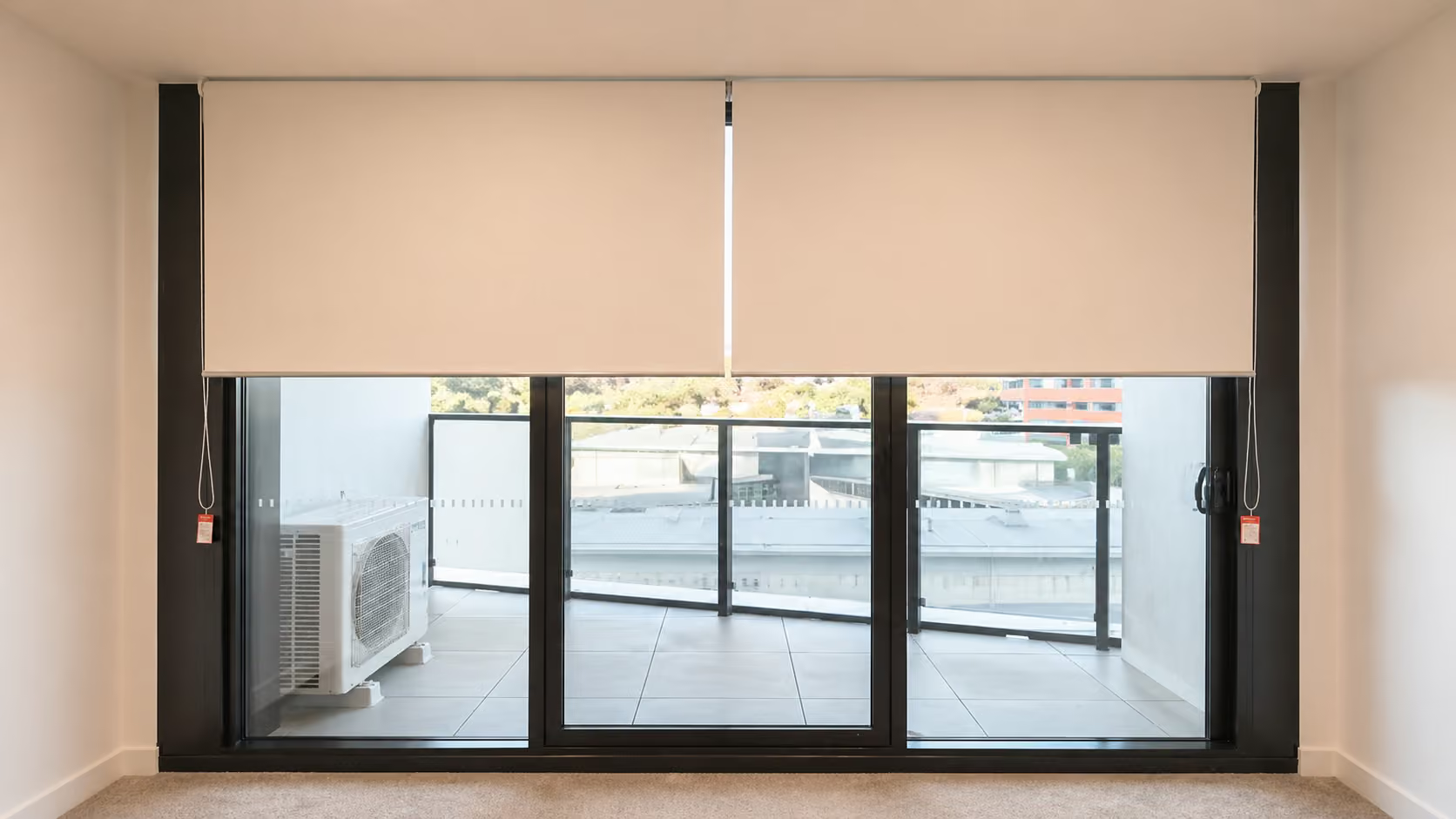
Light Control in Bedrooms and Living Areas
Roller blinds have an advantage when the homeowner wants clearly separated fabric options. A blockout roller blind is a familiar choice for bedrooms, while a sunscreen or light-filtering blind may suit the living area.
Honeycomb blinds can also be selected in different opacities, but their visual effect is softer. The pleated surface introduces texture, while the cellular construction makes the product feel more substantial than a single flat fabric.
Neither option should automatically be described as creating complete darkness. Light can enter around the sides, above the headrail or through small functional gaps. The installation method and coverage are just as important as the fabric label.
Apartment bedrooms with strong early sunlight may require wider face-mounted coverage or another carefully planned configuration. In a living room, complete darkness may be less important than reducing glare without making the space feel closed.
The most effective selection therefore starts with the room’s purpose. Choosing the same blockout fabric for every apartment window may provide consistency, but it may also remove useful daylight from areas that do not require full coverage.
Motorisation and Everyday Convenience
Roller blinds are commonly considered for motorisation because the rotating tube can be paired with a compatible blind motor. Depending on the system, the blind may be controlled through a remote, wall control, mobile application, schedule or compatible smart-home platform.
This can be practical when an apartment has several blinds across one wall. Instead of adjusting each blind manually, residents may be able to operate them together or position them according to changing sunlight.
The Deakin Apartment project demonstrates this approach. Sweet Home Blinds installed motorised blockout roller blinds with sheer curtains, creating a layered solution that combined automated privacy and stronger light control with the softer daytime appearance of fabric curtains.
Motorisation may also reduce the need for accessible operating chains. However, electrical planning, charging access and future maintenance should be considered before installation.
Honeycomb blinds may also be available with different operating systems, depending on product specifications. The suitability of motorisation depends on the blind dimensions, headrail, power arrangement and chosen supplier system.
Automation is most valuable when it solves a real daily problem. A manually operated blind may remain the simpler choice for a small, easily reached window that is adjusted only occasionally.
Can Either Blind Improve Apartment Comfort?
Both products create another layer at the window, but they should not be treated as replacements for efficient glazing or suitable external shading.
A roller blind covers the main glass area when lowered. The result depends on how closely it fits, the fabric type and the gaps around the installation. Air can still circulate around the sides, particularly when the blind is mounted away from the glass.
Honeycomb blinds use internal cells that hold relatively still air within the fabric structure. This may support comfort near the window, especially when the blind is well fitted. Double-cell products add another cellular layer, although the complete result still depends on the existing glass, frame and installation.
The Griffith House project provides a completed example of light-filtering double-cell honeycomb blinds. They were selected to diffuse natural light, maintain clean architectural lines and support comfort without making the rooms feel unnecessarily dark.
This example is useful for apartment owners because it demonstrates that a blind designed with cellular construction does not have to be opaque. Light-filtering fabric can preserve a bright interior while providing a softer layer across the glass.
During summer, internal blinds manage sunlight after it has reached the glass. The Australian Government’s shading guide notes that appropriate external shading is generally more effective at preventing unwanted solar heat from reaching the window. Internal blinds remain useful for privacy and glare, but they should form part of a wider comfort strategy.
Appearance and Interior Style
Roller blinds create a flat and minimal appearance. When the fabric colour is close to the walls or window frames, the blind can become a quiet background element. A contrasting colour can make the window more prominent, but the overall form remains simple.
This restrained appearance suits modern apartments, home offices and rooms where the furniture or view should remain the main visual feature. Roller blinds also coordinate easily across windows of different sizes because the basic shape remains consistent.
Honeycomb blinds introduce more visible texture. Their pleated surface creates horizontal lines across the window, while the cellular structure gives the fabric greater depth. This can make the window feel softer without adding the volume of full curtains.
Neutral honeycomb fabrics work naturally with timber, warm whites and understated interiors. Darker colours can create stronger contrast, although they may make the blind more visually prominent when closed.
The Barton Apartment project shows honeycomb blinds used to create a clean, modern finish with balanced privacy and light control. The project demonstrates that honeycomb blinds can suit contemporary apartment interiors rather than appearing purely functional.
Cleaning and Maintenance
Roller blinds are generally straightforward to maintain because the fabric presents a relatively flat surface. Routine care may involve gentle dusting or the use of a soft brush attachment at low suction. Marks should be treated according to the fabric supplier’s instructions.
The fabric should not be scrubbed aggressively, saturated with water or cleaned using harsh products unless the care information specifically allows it. Moisture around the tube, brackets or motorised components should also be avoided.
Honeycomb blinds require careful cleaning because dust may settle on the pleats and around the cell openings. A soft brush, duster or low-suction vacuum attachment may be suitable, depending on the material.
The pleats should not be crushed or pulled out of shape. Excessive moisture may affect the fabric, adhesives or internal structure, so spot cleaning should follow the supplied instructions.
Sweet Home Blinds provides general care and maintenance information, but the selected product’s instructions should always take priority. Neither option is maintenance-free, although regular light cleaning is usually easier than allowing dust and marks to accumulate.
Children, Pets and Operating Safety
Manual roller blinds may use a chain control. Where a cord or chain is present, it must be installed and secured in accordance with the applicable requirements. Product Safety Australia provides guidance on blind, curtain and window-fitting safety, particularly where children can access the window area.
Furniture should not be positioned so that a child can climb towards an operating chain. The location of beds, cots, sofas and storage units should be considered before the blind is measured.
Honeycomb blinds may use different control systems depending on the selected product. Homeowners should ask how the blind will be operated and whether the arrangement suits children, pets and the intended furniture layout.
Cats may touch or scratch fabric positioned close to a windowsill, while dogs may press against blinds near balcony doors. Neither roller nor honeycomb fabric should automatically be treated as a pet barrier.
Safety and daily movement should be discussed during selection rather than addressed only after installation.
Installation in Apartments and Owners Corporation Considerations
Most internal blinds do not change the exterior of a building as significantly as an external screen or awning. Even so, apartment owners should check any relevant building requirements before installation.
A building may have rules about drilling into concrete, working hours, lift access or the appearance of window furnishings when viewed from outside. Some developments prefer a consistent colour behind the glass to maintain a uniform façade.
Professional measurement can also identify whether the blind will interfere with apartment window restrictors, ventilation openings, handles or sliding panels. These details are especially important where windows form part of a regulated building system.
Installation access must be considered for tall windows and areas above kitchen benches or stair voids. Motorised products may also require an accessible power source or a practical method for charging and servicing the motor.
The Australian Government’s apartment buying guide explains how orientation, glazing and openable windows can affect apartment comfort. Window furnishings should be selected in response to these existing features rather than treated as an isolated decorative purchase.
Cost and Long-Term Value
There is no universal price difference between roller blinds and honeycomb blinds because both are custom measured and available in different configurations.
Roller blind pricing is influenced by dimensions, fabric, bracket system, cassette, motorisation and whether one or two blinds are installed at the window. A basic manual blind has different requirements from a wide motorised blockout system.
Honeycomb blind pricing depends on dimensions, fabric opacity, cell configuration, headrail and operating method. Special opening arrangements or motorisation may increase the overall cost.
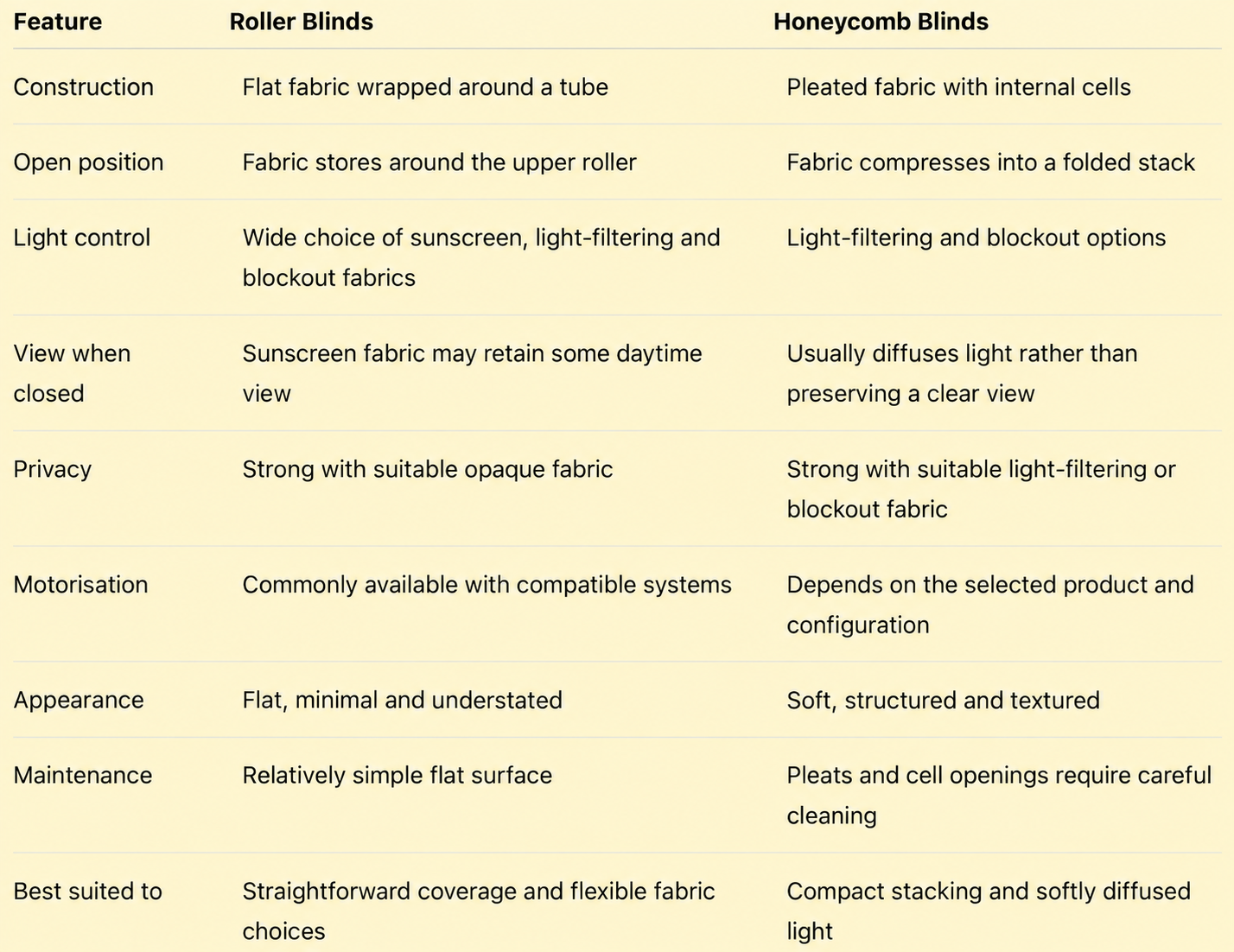
Long-term value depends on how naturally the blind fits the household’s routine. A product that is inconvenient to reach, difficult to clean or unsuitable for the required privacy may offer poor value even if its initial price is lower.
Two Canberra Apartment Approaches
The Deakin Apartment and Barton Apartment demonstrate two different ways to furnish apartment windows.
At Deakin, motorised blockout roller blinds were paired with sheer curtains. This layered arrangement provided automated stronger coverage when needed while allowing the curtains to create a softer daytime atmosphere.
At Barton, honeycomb blinds were selected as the main window furnishing. Their compact form, structured fabric and balanced light control suited the apartment’s clean modern interior.
Neither project proves that one product is universally better. Deakin shows the value of motorisation and layered coverage, while Barton demonstrates how one compact blind can provide privacy, light management and visual texture.
The choice should therefore begin with the window and the resident’s daily priorities. An apartment that receives intense afternoon glare may benefit from the fabric flexibility of roller blinds, while a home that values soft diffused light and compact stacking may be better suited to honeycomb blinds.
Frequently Asked Questions
Are roller blinds suitable for apartments?
Yes. Their compact design, wide fabric selection and straightforward operation make them suitable for many apartment windows. The correct bracket position and fabric should be selected for the required privacy and light control.
Do honeycomb blinds block the view?
When lowered, honeycomb fabric covers the view rather than preserving a clear outlook. When raised, the fabric folds into a compact stack and exposes most of the window.
Which option is better for night-time privacy?
Both can provide strong privacy when an appropriate opaque or light-filtering fabric is selected. Edge gaps and the complete installation also affect the result.
Which blind is better for a west-facing apartment?
That depends on the desired result. A sunscreen roller blind can manage glare while retaining some daytime view, while a honeycomb blind provides softer coverage across the glass. External shading and glazing also affect summer performance.
Can roller blinds be motorised?
Yes, compatible roller blind systems can use motors operated by remotes, switches, schedules or supported smart-home controls. Power and servicing requirements should be planned before installation.
Can honeycomb blinds be motorised?
Some honeycomb systems may support motorisation. Availability depends on the selected product, blind dimensions and control system.
Which option is easier to clean?
Roller blinds are generally easier to clean because the fabric has a flatter surface. Honeycomb blinds require careful cleaning around the pleats and cell openings.
Can I use different blinds in different rooms?
Yes. Many apartments achieve a better result by using blockout roller blinds in bedrooms and another product in living areas. The colours and finishes can still be coordinated throughout the home.
Choosing the Right Blinds for Your Apartment
Choose roller blinds when you want a minimal appearance, clear fabric choices and the option of straightforward motorisation. They are particularly useful where strong blockout coverage or daytime sunscreen performance is required.
Choose honeycomb blinds when compact stacking, softly diffused light and a cellular fabric structure are more important. They can provide a clean alternative to curtains while adding greater visual texture than a flat roller blind.
The Deakin Apartment demonstrates how motorised roller blinds can form part of a layered window solution, while the Barton Apartment shows the clean and balanced result possible with honeycomb blinds. The most suitable option will depend on the view, orientation, privacy requirements and available installation space in the individual apartment.
Browse more completed Canberra projects, explore Sweet Home Blinds’ complete range of curtains, blinds, shutters and screens, or book a consultation for professional measurement and product advice.
Ready to compare roller blinds and honeycomb blinds for your apartment? Contact Sweet Home Blinds for custom window furnishing advice and installation across Canberra and surrounding regions.
Follow Sweet Home Blinds on Facebook and Instagram for completed projects and Canberra window-furnishing inspiration.