
Can Curtains Shape a Better Retail Experience in Canberra?
See how custom curtains helped the July Canberra Centre store create a refined retail fit-out, softer customer experience and stronger brand atmosphere.
A retail store is not only a place to display products. It is a physical brand experience.
When customers walk into a store, they notice more than the items on the shelves. They notice how the space feels. They notice whether the store is calm or busy, open or exposed, polished or unfinished. They may not consciously think about every material choice, but the overall environment shapes how they experience the brand.
That is why the curtain installation at Sweet Home Blinds’ Canberra Centre July Store project is a useful local case study.
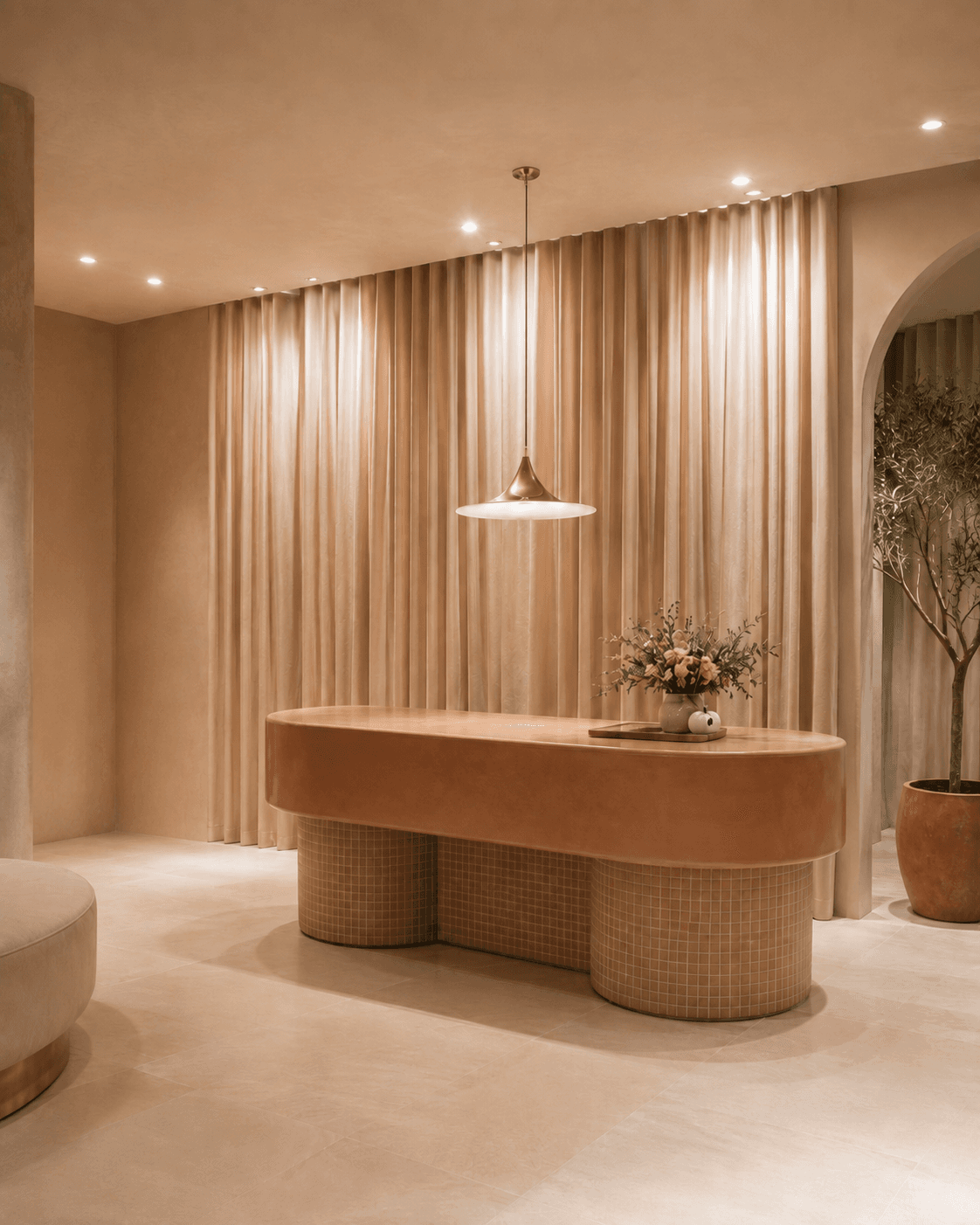
For July’s first Canberra store, Sweet Home Blinds crafted custom curtains to support a sleek, modern retail fit-out. The project focused on clean lines, refined detailing and a finish that complemented the brand’s contemporary store design. In a commercial space like this, curtains were not just a soft furnishing. They became part of the customer-facing environment.
The July Store Case: A Retail Fit-Out That Needed More Than Display Fixtures
The Canberra Centre July Store project had a very different purpose from a residential curtain installation.
In a home, curtains may be selected for sleep, privacy, insulation or softness. In a retail store, the curtain also has to support the brand. It has to work with product displays, lighting, customer movement, signage and the overall fit-out language.
July is a modern travel and luggage brand, so the store needed to feel clean, considered and premium. A fit-out with strong lines, lighting and display areas can present products beautifully, but without softer interior elements, the space may risk feeling too hard or too bare.
That is where the curtains became valuable.
The custom curtains helped soften the retail environment while keeping the overall design refined. They did not distract from the products. Instead, they supported the store atmosphere, creating a cleaner and more complete customer experience.
For Canberra retailers, this is the first lesson from the project: curtains should not be treated as an afterthought. In the right commercial setting, they can help define the way the brand feels in person.
The Retail Pain Point: Customers Feel the Space Before They Read the Brand Story
Retail design is about more than making a store look attractive.
The Queensland Government’s guidance on visual merchandising explains that visual merchandising can help encourage customers to enter, move through and engage with a retail space. It covers elements such as store layout, product presentation, displays and the overall shopping experience.
This matters because customers rarely experience a store as separate parts. They do not see the curtain, lighting, product display and signage as isolated decisions. They experience the whole environment at once.
A store with strong products but a cold or unfinished interior may not create the same level of confidence. A store with good lighting but too many hard surfaces may feel less comfortable. A store with beautiful displays but no visual softness may feel overly sharp or transactional.
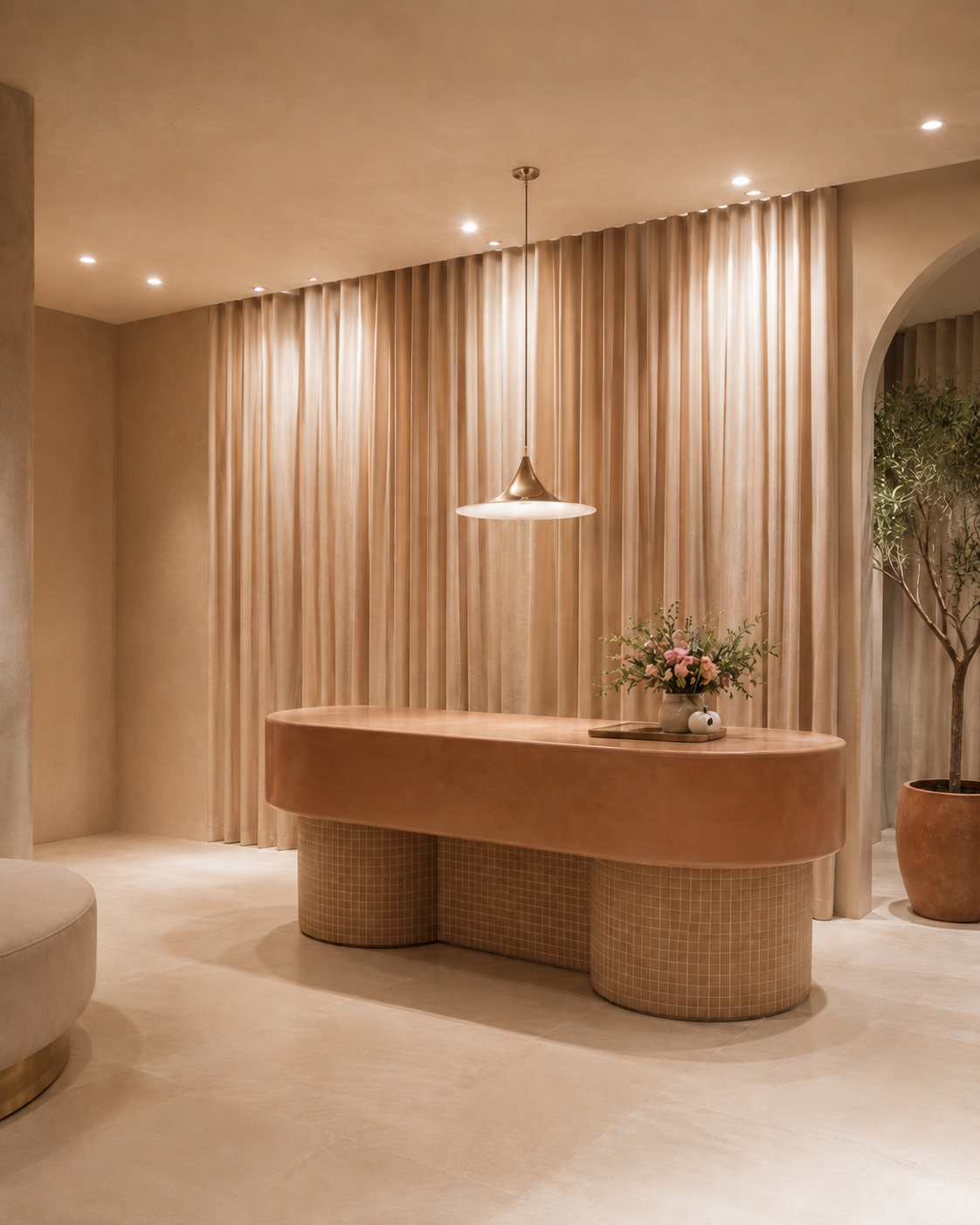
In the July Canberra Centre project, the curtain installation helped address this kind of issue. It added a soft, finished layer to the fit-out and helped the store feel more complete.
Softness Matters in Shopping Centre Interiors
Shopping centre retail spaces often have a particular design challenge.
They are usually built with practical, durable materials: glass, metal, plasterboard, joinery, display shelving, signage and hard flooring. These materials are necessary for a commercial environment, but they can make the space feel visually hard if there is no softer layer to balance them.
Curtains introduce texture, movement and warmth. They can soften strong lines, create a calmer backdrop and make a commercial space feel more considered.
The Australian Government’s YourHome guide to lighting explains that good lighting design combines natural light and electric lighting to create comfortable, visually appealing spaces. It also notes that daylighting needs to be balanced with thermal design, because direct sunlight through large windows can increase heat or glare.
Although YourHome focuses on residential design, the principle applies strongly to retail interiors: light has to be managed, not simply maximised. In a store, harsh light, glare or overly exposed areas can affect how customers see products and how comfortable they feel in the space.
Custom curtains can help by softening the way light interacts with the interior and by creating a more controlled visual setting.
The Product Choice: Custom Curtains for a Brand-Led Commercial Finish
For the Canberra Centre July Store, Sweet Home Blinds crafted custom curtains to match the commercial setting. This is different from choosing a standard curtain simply to cover an opening.
A retail fit-out needs precision. The fabric, fall, length, track, colour and overall finish must all work with the brand environment. If the curtain looks too heavy, too domestic or poorly fitted, it can weaken the store design. If it is carefully measured and installed, it can become part of the architecture of the space.
Sweet Home Blinds’ Curtains are especially relevant in this kind of project because custom curtains can be adapted to the needs of the room, the brand and the customer experience.
For a retail store, custom curtains can help with:
creating a softer brand atmosphereframing display or service areasreducing the visual harshness of hard finishessupporting privacy or separation where neededadding a more premium, finished layer to the interior
In the July project, this kind of finish mattered because the store was not only selling products. It was introducing the brand to Canberra customers in a physical retail environment.
Curtains as a Visual Boundary Without Building More Walls
One of the practical advantages of curtains in retail design is that they can create separation without making the store feel closed.
A solid wall can make a space feel smaller. A screen or partition can feel too fixed. A curtain, when designed properly, can create a softer boundary. It can suggest a change in function or atmosphere without completely disconnecting one area from another.
This can be useful for showrooms, fitting spaces, consultation corners, stock areas, service zones or product display backdrops.
For stores inside shopping centres, that flexibility matters. The space often needs to feel open enough to invite customers in, but controlled enough to create a strong brand experience once they are inside.
The July Canberra Centre project shows how custom curtains can support that balance. They add softness and structure without making the store feel heavy or closed off.
Customer Experience and Commercial Comfort
Comfort in retail is not only physical. It is also visual and emotional.
Customers are more likely to stay in a space that feels well organised, comfortable and aligned with the brand. Lighting, layout, material choice and interior softness all contribute to that feeling.
Academic research on retail atmospherics has long recognised that store environments can influence customer behaviour. A widely cited Journal of Retailing study, “Store Atmosphere, Mood and Purchasing Behavior”, found that store environment and mood can affect shopping behaviour. This supports the broader point that physical design decisions are not only decorative; they can influence how people respond to a retail space.
For a brand like July, where the retail store needs to communicate quality, simplicity and confidence, the curtain installation contributes to the overall brand signal. It helps the space feel less like a plain tenancy and more like a carefully designed customer environment.
Why This Case Matters for Canberra Retailers
The July Store project is useful because it shows a common commercial problem in a specific Canberra context.
Many local businesses invest in shopfronts, showrooms and customer-facing interiors, but window furnishings and soft finishes are sometimes considered late in the process. By that point, the layout, lighting and joinery may already be fixed. Curtains then become a final detail rather than an integrated part of the design.
The better approach is to consider them earlier.
For a Canberra retail store, curtains can help solve several practical issues at once. They can soften light, support a premium brand feel, improve visual separation and make a commercial interior feel more complete. They are especially useful when the store needs to feel refined rather than purely functional.
The Canberra Centre July Store demonstrates this clearly. The custom curtains were chosen to complement the sleek fit-out, not compete with it. The result was a softer, cleaner and more polished retail environment.
Choosing Commercial Curtains for a Retail Fit-Out
The right curtain solution depends on the store’s purpose.
A fashion boutique may need softness and movement. A showroom may need a premium backdrop. A service-based retail store may need privacy or separation. A product-led store may need a quiet curtain treatment that supports the merchandise rather than drawing attention away from it.
For retail fit-outs, the most important questions are not only about colour or fabric. They are about how the space will be used.
Will customers move through this area?Does the curtain need to create a backdrop?Is the goal softness, privacy, separation or light control?Does the curtain need to align with a brand palette?Will the installation need to fit around a tight opening schedule?
In commercial projects, these details matter. A good curtain installation should support both the practical operation of the store and the emotional feel of the brand.
A Case-Led Lesson From the July Canberra Centre Store
The Canberra Centre July Store project shows that commercial curtains can play an important role in retail design.
They can soften hard finishes, create a more refined atmosphere and help customers experience the store as a complete brand environment. In a shopping centre setting, where customers compare stores quickly and visually, those details matter.
For Canberra retailers, showrooms and commercial fit-outs, custom curtains are worth considering when the space needs softness, visual control and a more polished customer-facing finish.
Explore Sweet Home Blinds’ Curtains, or view the Canberra Centre July Store project to see how custom curtains can support a refined retail environment in a real Canberra commercial space.