
Blinds Canberra: How to Choose the Right Style for Every Room
Choosing blinds is not just about looks. This guide explores how to select the right blinds for every room in your Canberra home, with practical advice on privacy, light control, comfort, and style.

Choosing blinds for your Canberra home should be about more than finding a fabric you like. The right window furnishings can make a bedroom easier to darken, reduce afternoon glare in your living room, improve privacy, and give a tired interior a fresh look without a major renovation.
But with so many options — roller blinds, Venetian blinds, Roman blinds, honeycomb blinds and vertical blinds — how do you decide which is right for your home?
The answer starts with how you use each room.
A west-facing living room that gets intense afternoon sun needs a different solution from a south-facing bedroom that feels cold in winter. Similarly, a kitchen needs easy maintenance, while a bedroom often needs greater light control.
This practical guide explains how to choose blinds in Canberra, compare different styles, avoid common purchasing mistakes and plan an upgrade that suits your home, lifestyle and budget.
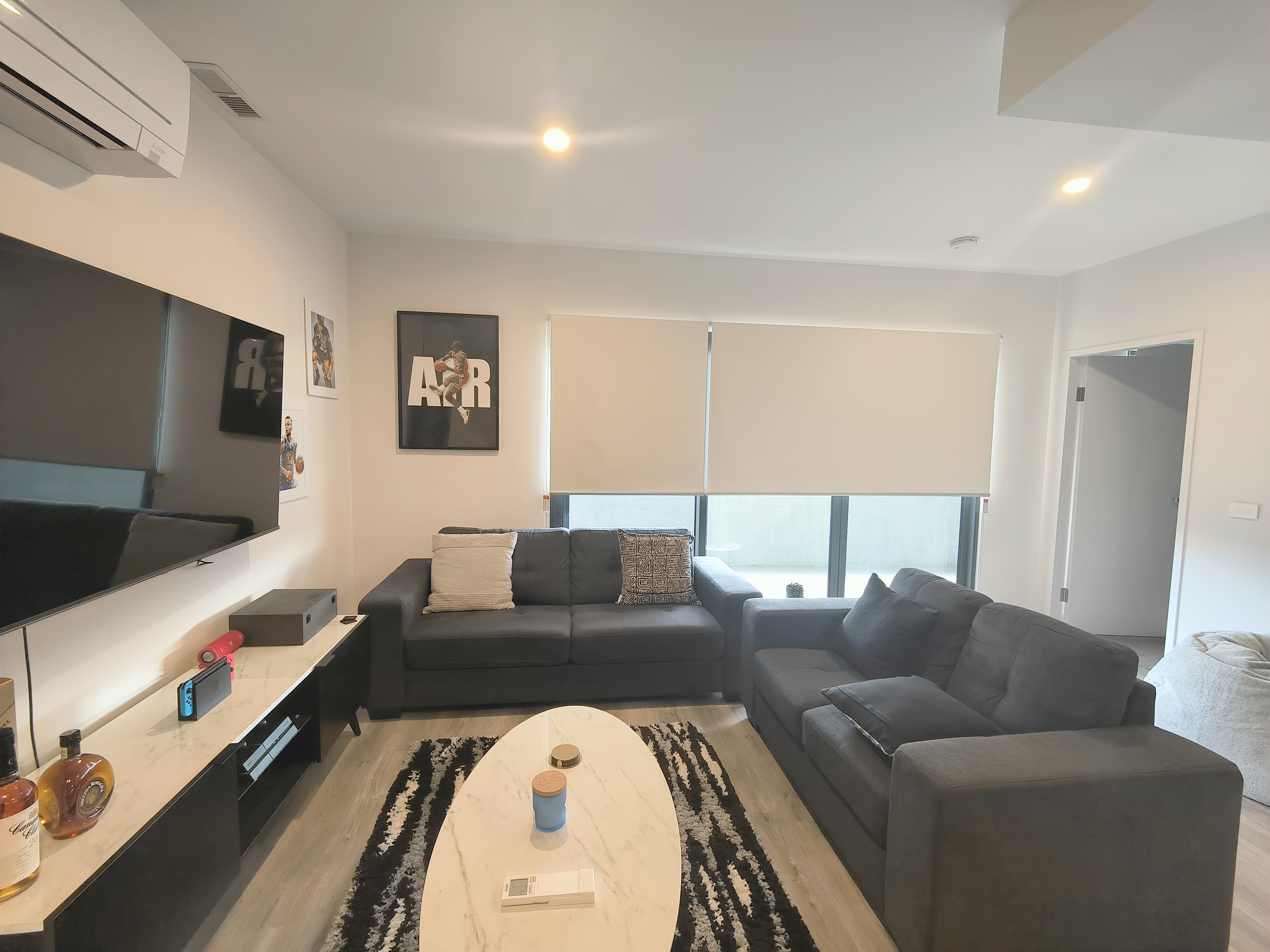
Start with the Room, Not the Blind
One of the most common mistakes when choosing window furnishings is selecting one style for the entire house without considering how different rooms are used.
A blind that looks beautiful in a living room may not provide enough darkness for a bedroom. A textured fabric that works well in a formal lounge might be difficult to maintain near a busy kitchen.
Instead, begin with four questions:
Light: Do you want to filter sunlight, reduce glare or darken the room?
Privacy: Do you need privacy during the day, at night or both?
Comfort: Does the window contribute to unwanted heat, cold or glare?
Practicality: How frequently will the blind be operated, cleaned or adjusted?
Once you understand these priorities, choosing a suitable style becomes much easier.
Quick guide: Which blinds work best in each room?
Room | Main priority | Blinds worth considering |
Living room | Balance daylight, glare and privacy | Sunscreen or translucent roller blinds, Venetian blinds, Roman blinds |
Bedroom | Darkness, privacy and comfort | Blockout roller blinds, blockout honeycomb blinds, layered curtains |
Kitchen | Easy cleaning and durability | Roller blinds, PVC or aluminium Venetian blinds |
Bathroom | Moisture suitability and privacy | Moisture-resistant Venetian or suitable roller blinds |
Home office | Screen glare and adjustable daylight | Sunscreen roller blinds, Venetian blinds |
Sliding doors | Easy access and wide coverage | Vertical blinds, selected roller systems or Veri Shades |
Nursery or children's bedroom | Light control and cord safety | Compliant cordless or motorised blinds with suitable blockout fabric |
These recommendations are starting points. Window size, orientation, available mounting space, hardware and fabric choices can change which product is most suitable.
Compare the Main Types of Blinds Available in Canberra
Rather than choosing based on appearance alone, compare how each blind operates and what it does best.
Roller blinds: Clean design and everyday practicality
Roller blinds use a single panel of fabric that rolls onto a tube, creating a neat, minimal finish.
They suit many Canberra homes because they offer a broad choice of fabrics and usually need relatively little visual space around the window.
Depending on the fabric, roller blinds can:
Reduce glare in living rooms and studies
Provide privacy in bedrooms and street-facing areas
Create a darker environment using blockout material
Complement modern interiors with a streamlined finish
However, the fabric matters just as much as the mechanism. A sunscreen roller blind behaves very differently from a blockout blind.
Venetian blinds: Adjustable light direction
Venetian blinds feature horizontal slats that can be tilted to redirect incoming light.
They are worth considering when you want to reduce glare without completely closing off the window.
Common applications include living areas, kitchens and home offices.
Material selection is important. Basswood offers natural warmth and texture, while suitable PVC and aluminium products may be more practical in rooms where moisture and cleaning are concerns.
Honeycomb blinds: Thermal comfort with a compact look
Honeycomb blinds, also known as cellular blinds, contain pockets of air within their fabric structure.
These cells can help reduce heat transfer through the window area, making honeycomb blinds worth considering where winter comfort is a priority.
They are available in different fabric and operating configurations, including light-filtering and blockout options.
Their actual thermal performance depends on construction, fit, installation and the existing window.
Roman blinds: A softer, more decorative finish
Roman blinds fold into horizontal sections when raised.
They combine the softer appearance of fabric with the structure of a blind, making them particularly suitable for bedrooms, formal living rooms and spaces where texture is important.
Remember to consider how much space the fabric folds occupy above the window when the blind is raised.
Vertical blinds: Practical coverage for wide openings
Vertical blinds use vertically hanging slats that can rotate and move along a track.
They can be particularly useful for sliding doors and large windows.
Their main advantage is flexible access and light control across wide openings. However, homeowners should also consider how the blinds stack to one side and whether the stack will obstruct regular door use.
Which option should you choose?
Blind type | Main advantage | Considerations |
Roller | Minimal appearance, versatile fabrics | Fabric opacity and possible edge gaps |
Venetian | Adjustable slat direction | Regular slat cleaning and material suitability |
Honeycomb | Cellular construction supporting thermal comfort | Accurate fitting, fabric and operating options |
Roman | Soft, tailored appearance | Fold stack and fabric maintenance |
Vertical | Coverage and access for wide openings | Track positioning and stacking direction |
Our recommendation: Choose the function first, then the appearance. A beautifully styled blind that does not provide the privacy, access or light control you need is unlikely to feel like a successful purchase.
Sunscreen vs Translucent vs Blockout: Which Fabric Do You Need?
One of the most important buying decisions is how much light your blind should allow through.
Sunscreen fabrics
Sunscreen fabrics are designed to reduce glare and filter incoming sunlight while often retaining some outward visibility during the day.
They are popular for bright living rooms, home offices and windows with desirable views.
Important: Sunscreen blinds generally do not provide reliable night-time privacy when interior lights are on. People outside may be able to see inside.
Translucent or light-filtering fabrics
Light-filtering fabrics diffuse daylight, creating a softer and more even level of brightness.
They are useful when you want the room to remain naturally lit without a completely clear view through the fabric.
Privacy varies by fabric, colour, weave and lighting conditions. Always check a sample under both daytime and night-time lighting if privacy matters.
Blockout fabrics
Blockout materials are designed to prevent light passing directly through the fabric.
They are often suitable for bedrooms, nurseries and media rooms.
However, blockout fabric does not automatically mean a completely dark room. Light may still enter around the sides, top or bottom of the blind.
A carefully planned mounting position, larger fabric overlap, suitable cassette or side-channel system, or additional curtains may be needed where strong darkness is a priority.
A practical example
Imagine a living room facing the street.
You want natural light during the day, but full privacy after sunset.
A sunscreen roller blind may work beautifully during daylight hours. However, when the lights are switched on at night, it may not provide the privacy you expect.
A better solution may be a dual roller system combining a sunscreen blind with a more opaque blind, or another suitable layered treatment.
Before purchasing, ask to compare your preferred fabrics under different lighting conditions.
Choose Blinds According to Your Window's Direction
Canberra's seasonal variation makes window orientation particularly important.
The Australian Government's YourHome shading guide explains that effective solar shading depends on window orientation, the sun's changing angle and the home's climate.
North-facing windows
In Canberra, north-facing windows can receive valuable winter sunlight.
During colder months, opening appropriate blinds while the sun is shining may help take advantage of natural warmth.
In summer, adjustable shading can help control unwanted sunlight while allowing flexibility.
Consider translucent rollers, Venetian blinds or suitable honeycomb blinds depending on privacy and comfort requirements.
West-facing windows
West-facing windows often receive strong, low-angle afternoon sunlight.
This can create glare, uncomfortable brightness and unwanted heat gain during warmer months.
Sunscreen or blockout roller blinds may help with indoor light control. Adjustable external shading can also be important when overheating is significant, because it can intercept sunlight before it enters the glass.
East-facing windows
East-facing bedrooms can receive bright morning sunlight, especially during summer.
If early light disrupts your sleep or daily routine, consider a well-fitted blockout treatment and pay particular attention to gaps around the edges.
South-facing windows
In Canberra, south-facing rooms generally receive less direct winter sunlight than north-facing rooms.
Privacy, soft daylight and comfort may be higher priorities than controlling strong direct solar gain.
Honeycomb blinds, suitable lined curtains or layered systems may be worth considering.
A simple seasonal routine
The Australian Government's energy.gov.au window guide recommends adjusting window coverings according to the season.
In winter, open coverings where useful sunlight can warm the home, then close them when that sunlight is no longer available.
In summer, use appropriate coverings to limit unwanted solar gain and glare. When outdoor conditions are suitable, opening windows and coverings may help with natural ventilation.
Blinds are one part of home comfort, not a substitute for suitable glazing, insulation, draught sealing or effective external shading.
Refresh Your Canberra Home Without a Major Renovation
You don't always need to replace windows, repaint walls or buy new furniture to make a room feel more contemporary.
Sometimes existing window furnishings are the feature making an otherwise attractive room feel dated.
Signs it may be time to replace your blinds
Look for:
Faded, discoloured or permanently marked fabric
Blinds that roll unevenly or no longer operate smoothly
Damaged slats or worn hardware
Large gaps that compromise privacy or light control
Heavy-looking finishes that no longer suit the room
Window coverings that are difficult to adjust or maintain
Not every issue requires replacement. Some mechanisms can be adjusted or repaired, depending on the product and condition.
However, when the blind no longer performs well or suits your needs, replacing it can be a worthwhile improvement.
How to make a room feel more modern
Choose cleaner lines. A neatly fitted roller blind can create a more restrained appearance than a bulky or worn window covering.
Use colour consistently. Matching complementary neutral tones across adjoining rooms can create a cohesive look without forcing every room to use the same blind type.
Add texture selectively. Roman blinds or curtains can introduce softness where an interior feels too hard or minimal.
Keep the view in mind. If a window overlooks a garden or landscaped area, choose a treatment that can be raised or adjusted without unnecessarily obstructing the outlook.
Don't forget the hardware. Visible brackets, tracks, operating controls and fabric stacking all affect the final appearance.
The most successful room refresh often comes from making several small practical decisions rather than chasing a completely new interior trend.
Custom Blinds vs Ready-Made: Why Measurements Matter
Ready-made blinds can be suitable for standard windows, straightforward installations and projects where flexibility in fit and finish is less important.
Custom blinds offer more control over dimensions, fabric options, mounting arrangements and operating systems.
That difference becomes important when dealing with:
Windows that are not perfectly square
Recesses with limited mounting depth
Sliding doors and nearby handles
Corner windows and wide openings
Rooms requiring precise privacy or light control
Multiple windows where matching proportions matters
Inside-recess or face-mounted blinds?
An inside-recess blind sits within the window opening, producing a tidy finish when the recess is deep enough.
However, hardware and fabric clearances can leave visible gaps around the edges.
A face-mounted blind sits outside the window opening. Depending on available space, a suitable overlap can help reduce unwanted edge light and cover more of the window area.
Neither method is automatically better.
The choice depends on window construction, brackets, handles, surrounding walls and your preferred appearance.
What should be checked before ordering?
A good measurement and installation discussion should include the window's dimensions, depth, available fixing surfaces, nearby obstructions and how the blind will operate once furniture is in place.
For sliding doors, ask how far the covering will stack or retract and whether it affects normal access.
For bedrooms, ask where light might enter around the fitted product.
These practical details are often more important than choosing between two similar fabric colours.
Can Blinds Help Make Your Home More Comfortable in Winter and Summer?
Window coverings can influence thermal comfort, but their performance varies considerably.
In winter, suitable insulating window treatments can help reduce heat movement around glazing, particularly where the fit limits air circulation.
In summer, blinds may reduce direct sunlight and glare. However, external shading is generally more effective than internal coverings at stopping solar heat before it enters through the glass.
For colder rooms, consider the fit and construction of the selected treatment, including whether honeycomb blinds or well-fitted lined curtains may offer useful additional insulation.
The Australian Government's advice on windows recommends close-fitting window coverings and seasonal adjustment to help manage indoor comfort.
Avoid choosing a product based on a universal energy-saving percentage. Actual results depend on the existing windows, fabric, mounting method, climate and how the coverings are used.
Should You Layer Blinds with Curtains?
Not every room needs both blinds and curtains.
However, combining treatments can be useful when one covering cannot satisfy every requirement.
For example:
Living rooms: A sunscreen blind can help reduce daytime glare, while a more opaque curtain layer can provide evening privacy.
Bedrooms: A blockout roller blind and suitably fitted curtains may provide greater flexibility and help reduce light leakage, depending on the installation.
Open-plan homes: Combining simple blinds with sheer curtains can introduce softer textures and visual continuity.
Media rooms: A blockout curtain system may be useful where reducing light around large windows is particularly important.
The key is to give each layer a clear purpose rather than adding products simply because they look attractive together.
Manual or Motorised Blinds?
Motorisation can make sense when a blind is operated frequently or is difficult to reach.
It may be particularly practical for large windows, multiple blinds in one room or window coverings positioned behind furniture.
Depending on the system, motorised blinds can offer remote control, scheduled movement or integration with compatible smart-home equipment.
However, not every window needs a motor.
For a small, easily accessible window, a suitable manual blind may provide everything you need.
Before choosing motorisation, discuss power requirements, controls, connectivity, future servicing and compatibility with the selected blind.
For a more detailed comparison, read our guide: Are Motorised Blinds Worth It for Canberra Homes?
Don't Overlook Child Safety
Safety should be part of the purchasing decision, particularly in children's bedrooms and family living areas.
Loose or looped blind cords and chains can present a serious strangulation risk to young children.
Australia has mandatory requirements covering the supply and installation of corded internal window coverings.
When choosing blinds:
Consider suitable cordless or motorised designs where available.
Ensure corded systems are installed with the required safety devices.
Keep loose cords and chains secured and inaccessible to children.
Keep cots, beds and climbable furniture away from hazardous window-covering cords.
Follow the manufacturer's instructions and applicable Australian safety requirements.
For further information, read the ACCC's blinds, curtains and window fittings safety guide.
How Much Do Custom Blinds Cost in Canberra?
The price of custom blinds depends on more than the window dimensions.
Factors that influence a quote include:
Cost factor | Why it matters |
Window dimensions | Larger openings may require more material or different systems |
Blind type | Roller, Venetian, honeycomb and Roman systems have different constructions |
Fabric and material | Fabric specification, finish and selected material influence price |
Operating system | Manual, cordless and motorised options differ |
Installation | Mounting surfaces, access and window configuration affect complexity |
Layering | Dual blinds or added curtains require additional materials and fittings |
Rather than choosing based on a generic price estimate, decide which features matter most.
For a bedroom, stronger light control may be worth prioritising.
For a home office, effective glare reduction may be more useful than an expensive decorative fabric.
For a rarely used guest room, a simpler system may be appropriate.
If you're upgrading several rooms, consider completing the highest-priority spaces first.
A sensible order for upgrading your home
Fix functional problems: Bedrooms with unwanted early light, rooms lacking privacy and workspaces affected by glare.
Address daily comfort: Main living areas and frequently used windows.
Improve appearance: Replace faded or dated treatments in visible rooms.
Consider convenience upgrades: Add motorisation or layered window treatments where they provide genuine value.
This approach helps you plan a window furnishing upgrade without unnecessarily replacing products that still perform well.
Five Things to Prepare Before Requesting a Quote
A little preparation can make choosing blinds much easier.
1. Identify your priority rooms. Decide where privacy, glare, darkness or comfort matters most.
2. Take photos of the windows. Include the surrounding wall, window frame, handles, door clearance and nearby furniture.
3. Record approximate measurements. You don't need final manufacturing dimensions, but rough measurements can help with initial discussions.
4. Think about the time of day. Is the problem early sunlight, afternoon glare, night-time privacy or winter comfort?
5. Decide on your preferred look and budget. Save a few examples and consider which features are essential versus optional.
You can also ask to compare materials and fabric samples under the lighting conditions that matter to your room.
Sweet Home Blinds offers a free measurement and quote service, with showroom appointments available in Fyshwick.
If you're unsure which blind will work best, contact our team to arrange a consultation.
Frequently Asked Questions About Blinds in Canberra
What are the best blinds for Canberra homes?
There is no single best style. Roller blinds offer versatile fabric choices, Venetian blinds provide adjustable slats, honeycomb blinds may support thermal comfort, and Roman blinds create a softer decorative finish. The best option depends on the room and window.
Are roller blinds suitable for bedrooms?
Yes. Roller blinds with suitable blockout fabric are commonly used in bedrooms. However, edge gaps can still allow light into the room, so mounting and installation details are important.
Are sunscreen blinds private at night?
Not reliably. When indoor lights are on, people outside may be able to see through sunscreen fabrics. For night-time privacy, consider a suitable opaque treatment or layered system.
Which blinds are easiest to maintain?
Maintenance depends on the material. Some roller fabrics are relatively straightforward to dust, while Venetian blinds require cleaning individual slats. Always follow the product's fabric-care instructions.
If you already have roller blinds, see our guide to cleaning and maintaining roller blinds.
Are honeycomb blinds better than roller blinds for winter?
Honeycomb blinds can offer a thermal advantage because of their cellular construction. However, actual performance depends on the complete product and installation. Roller blinds may still be preferable where simplicity, cost or a particular fabric finish is the priority.
Can I update my blinds without renovating the house?
In many cases, yes. Existing window furnishings can be replaced without changing the windows themselves, provided suitable fixing points and installation conditions are available.
Can I install different blinds in different rooms?
Absolutely. A consistent colour palette or coordinated finishes can create visual harmony while allowing each room to use a different blind type.
How do I choose between blinds and curtains?
Start with function. Blinds often provide compact, adjustable control, while curtains can add softness, larger fabric coverage and useful layering options. Many homes benefit from a combination.
Final Thoughts: Choose Blinds That Work for the Way You Live
The right blinds should make your home easier to enjoy, not simply make the windows look attractive.
A good buying decision considers how a room is used, its window orientation, the privacy required and the amount of light you want to control.
Whether you're refreshing a living room, planning more comfortable bedrooms or choosing window coverings for a new home, thoughtful fabric selection and accurate installation make a difference.
At Sweet Home Blinds, we help homeowners compare materials, finishes and operating options to find window furnishings suited to their spaces.
Explore our window furnishing collections, or book a free measure and quote to discuss the right solution for your Canberra home.